Spain stamps
P=have O=don’t have it

CLASSIC STAMPS AND POSTMARKS ON STAMPS OF SPAIN by William
E. Critzer
http://www.stampsonstamps.org/csaposos.htm
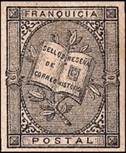
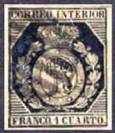
Scott: #S2O
Issued: 0.0.1881
Franchise Stamp
Inside #S2: Pseudo Stamp
The
franchise stamps of Spain Spain
(Franchise stamps removed burden of postage By Rick Miller – http://www.linns.com/).
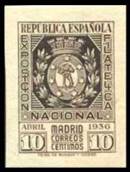
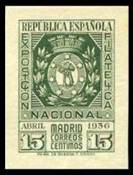
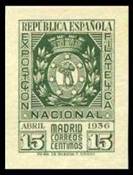
Scott: #572-3O
Issued: 2.4.1936
1st National Philatelic Exhibition
 Inside
#572-3: Spain Type A5 (B) (pic of #17O)
Inside
#572-3: Spain Type A5 (B) (pic of #17O)
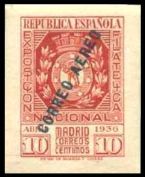
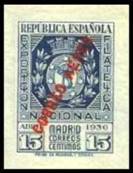
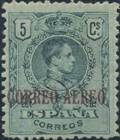
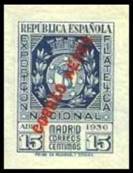
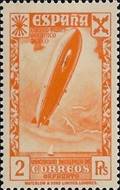
Scott: #C88-9O
Issued: 2.4.1936
Overprint #572-3 "CORREO AEREO"
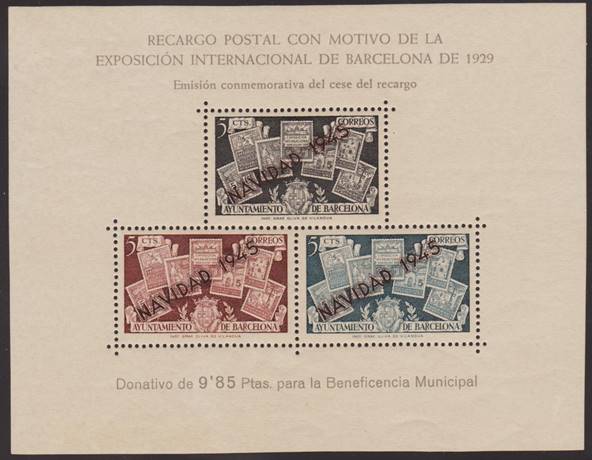
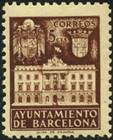
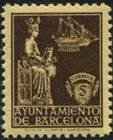
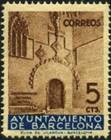
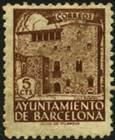
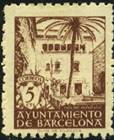
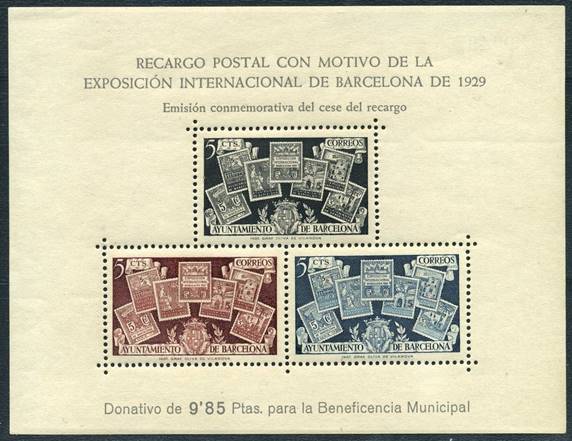
Ayuntamiento de Barcelona
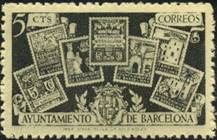
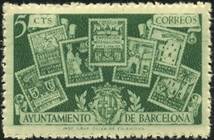
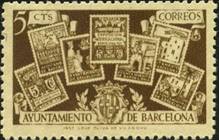
Mi #67-9P
Issued: 1945
Inside Mi #67-9:
Spain-Barcelona stamps
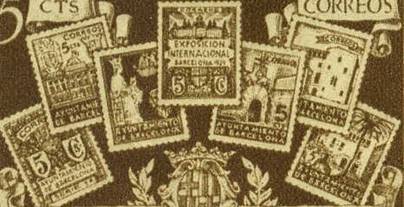
|
|
|
|
|
Mi
#9(1932) P |
Mi
#31(1942)P |
Mi
#21(1940)P |
|
|
|
|
|
|
Mi
#1(1929)O |
|
|
|
|
|
|
Mi
#13(1936) P |
Mi
#42(1943)P |
Mi #63(1945) P |
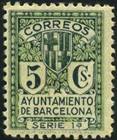
Mi
#??O
Lou
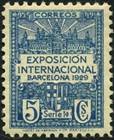
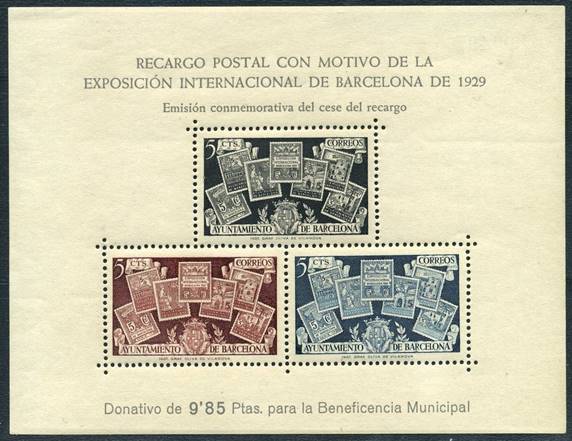
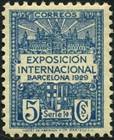
Guadagno wrote: The 3 stamps were issued in Barcelona , Spain
Starting in
1929, various compulsory postal tax stamps were issued to be used on all
inland mail from Barcelona to help pay for the
cost of the International Stamp Exhibition held in Barcelona
The 3 stamps
exist imperf, and an unlisted commemorative
s/s without franking value was also issued late in 1945 to raise funds for the
city.
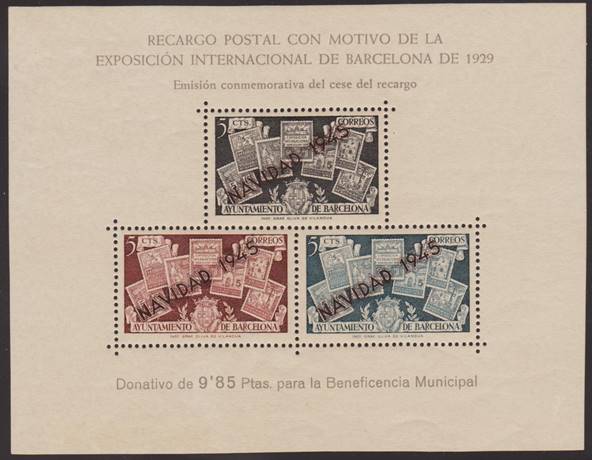
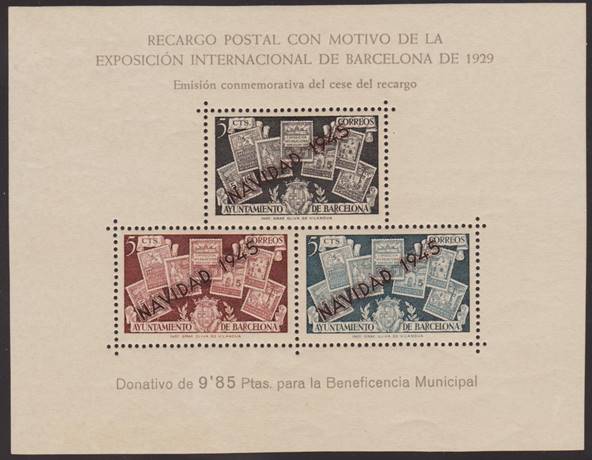
The
stamps and sheet were also produced with a diagonal "NAVIDAD 1945"
overprint; these were sold to raise funds for Christmas charities, but
supposedly not authorized.
Lloyd
Gilbert wrote: Spain (Barcelona
Thanks to Sergei Divid
and Lou Guadagno
Lloyd
Gilbert wrote: Spain (Barcelona
Thanks to Lloyd Gilbert
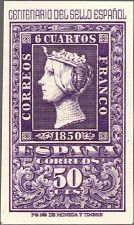
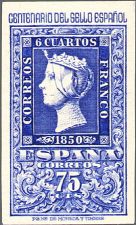
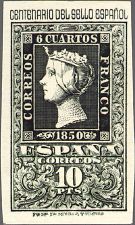
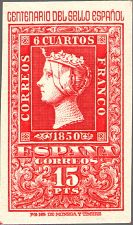
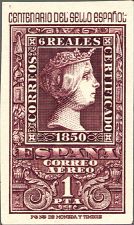
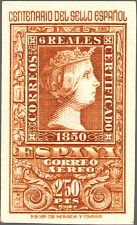
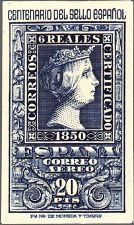
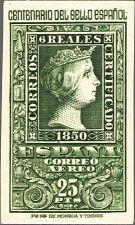
Scott: #776-7P,
#778-9O, #C127-8P,
#C129-30O
Issued: 12.10.1950
Centenary of Spanish Stamps
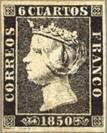 Inside #776-9:
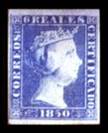 Inside #C127-30:
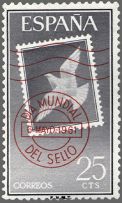
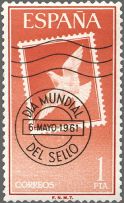
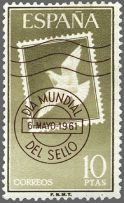
Scott: #987-9P
Issued: 6.5.1961
International Stamp Day
Inside #987-9: Pseudo Stamp
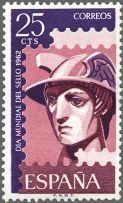
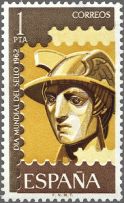
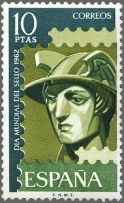
Scott: #1108-10P
Issued: 7.5.1962
International Stamp Day
Inside #1108-10: Pseudo Stamp
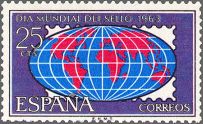
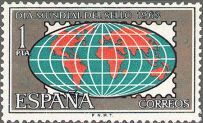
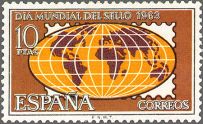
Scott: #1170-2P
Issued: 8.5.1963
International Stamp Day
Inside #1170-2: Pseudo Stamp
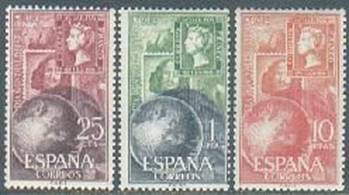
Scott: #1244-6P
Issued: 6.5.1964
International Stamp Day
Inside #1244-6:
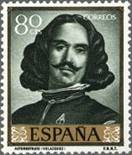 Inside
#1244-6: Spain #898P
Inside
#1244-6: Spain #898P
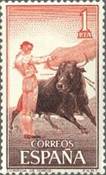 Inside
#1244-6: Spain #916P
Inside
#1244-6: Spain #916P
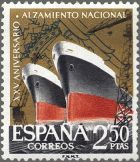 Inside
#1244-6:
Inside
#1244-6:
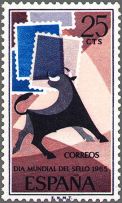
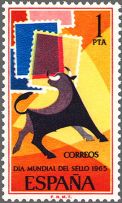
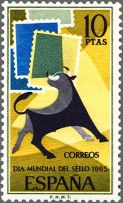
Scott: #1306-8P
Issued: 6.5.1965
International Stamp Day
Inside #1306-8: Pseudo Stamps
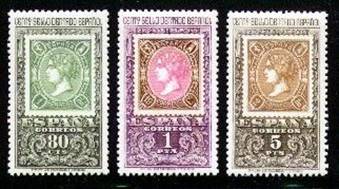
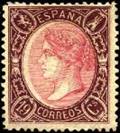
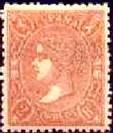
Scott: #1327-9P
Issued: 22.11.1965
Centenary, Spanish Perforated Stamps
 Inside
#1327:
Inside
#1327:
 Inside
#1328:
Inside
#1328:
 Inside #1329:
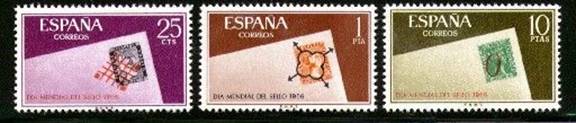
Scott: #1350-2P
Issued: 6.5.1966
International Stamp Day, National Stamp Day
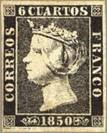 Inside #1350:
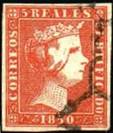 Inside
#1351:
Inside
#1351:
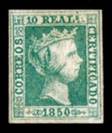 Inside
#1352:
Inside
#1352:
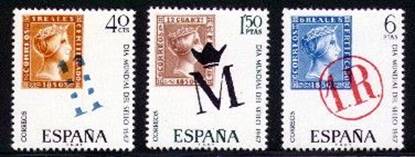
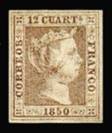
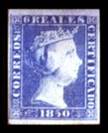
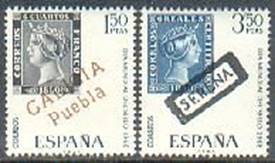
Scott: #1468-70P
Issued: 6.5.1967
World Stamp Day
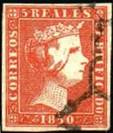 Inside
#1468:
Inside
#1468:
 Inside
#1469:
Inside
#1469:
 Inside
#1470:
Inside
#1470:
Scott: #1527-8P
Issued: 6.5.1968
Stamp Day
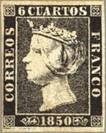 Inside #1527:
Inside
#1528:
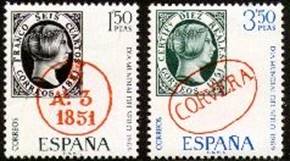
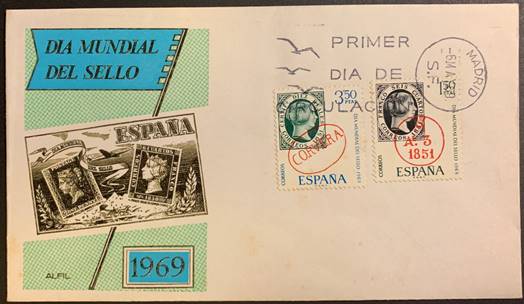
Scott: #1568-9P
Issued: 6.5.1969
Stamp Day
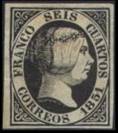 Inside
#1568: Spain #6PP
Inside
#1568: Spain #6PP
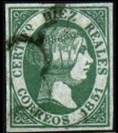 Inside
#1569:
Inside
#1569:
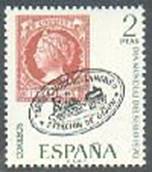
Scott: #1608P
Issued: 4.5.1970
Stamp Day
 Inside
#1608:
Inside
#1608:
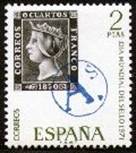
Scott: #1677P
Issued: 6.5.1971
Stamp Day
 Inside
#1677:
Inside
#1677:
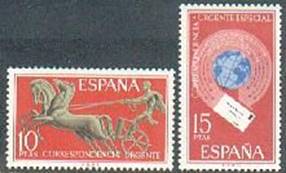
Scott: #E26-7P
Issued: 1.6.1971
Special Delivery Stamp
Inside #E27: Stamp on Envelope
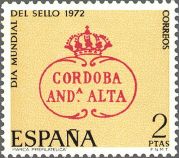
Scott: #1719P
Issued: 6.5.1972
World Stamp Day
Inside #1886: Pre-Stamp
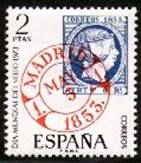
Scott: #1754P
Issued: 5.5.1973
Stamp Day
 Inside
#1754:
Inside
#1754:
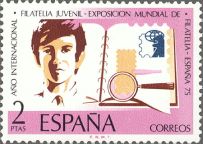
Scott: #1801P,
#1802P,#1803O
Issued: 4.4.1974
Espana
‘75
Inside #1801: Stamp Collecting
Inside #1802-3: Pseudo Stamp
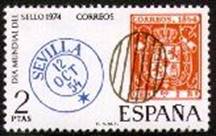
Scott: #1806P
Issued: 6.5.1974
World Stamp Day
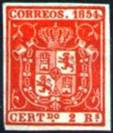 Inside #1806:
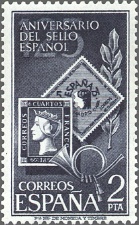
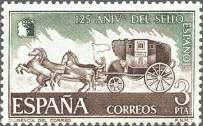
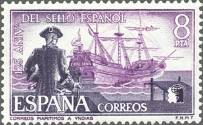
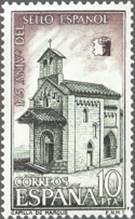
Scott: #1865P,
#1866O, #1867P,
#1868P
Issued: 21.4.1975
125th Anniversary of Spanish Stamps
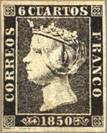 Inside #1865:
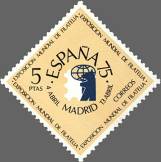 Inside
#1865:
Inside
#1865:
Inside #1866-8: Pseudo Stamp
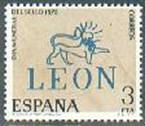
Scott: #1886P
Issued: 6.5.1975
World Stamp Day
Inside #1886: Pre-Stamp
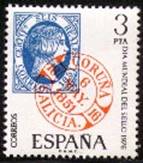
Scott: #1943P
Issued: 6.5.1976
World Stamp Day
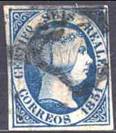 Inside
#1943:
Inside
#1943:
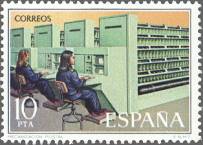
Scott: #1957P
Issued: 16.6.1976
Postal Service Scenes
Inside #1957: Stamps on Envelopes
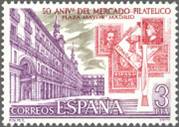
Scott: #2043P
Issued: 7.5.1977
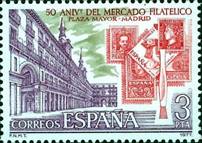
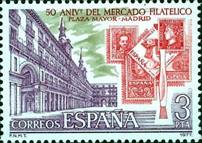
50th Anniversary of Philatelic Market on Plaza Mayor,
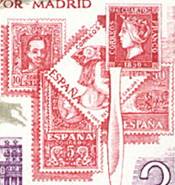
 Inside
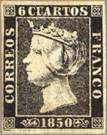
#2043: Spain #1P
Inside
#2043: Spain #1P
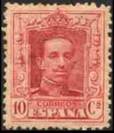 Inside
#2043: Spain #334P
Inside
#2043: Spain #334P
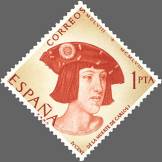 Inside
#2043:
Inside
#2043:
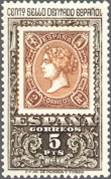 Inside
#2043:
Inside
#2043:
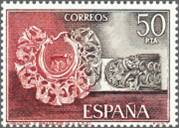 Inside
#2043:
Inside
#2043:
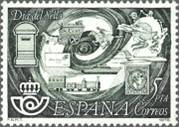
Scott: #2104P
Issued: 27.6.1978
Stamp Day
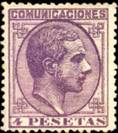 Inside
#2104:
Inside
#2104:
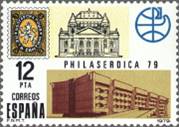
Scott: #2151P
Issued: 18.5.1979
Philaserdica
'79
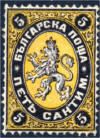 Inside
#2151:
Inside
#2151:
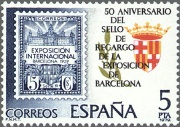
Scott: #2176P
Issued: 6.11.1979
50th Anniversary of the
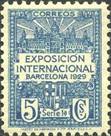 Inside #2176: Michel
Barcelona Postal Tax #1O
Inside #2176: Michel
Barcelona Postal Tax #1O
Lou
Guadagno wrote: You took your reason for issue and stamp ID directly from the
Scott catalog, and it is wrong on both.
Spain Barcelona
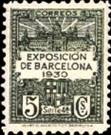
Scott ID is Spain Type A54
(Pic of #371P)
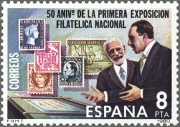
Scott: #2216P
Issued: 1.7.1980
1st National Stamp Exhibition
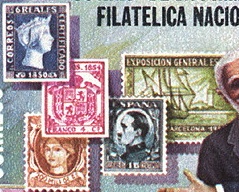
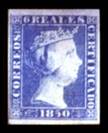 Inside
#2216:
Inside
#2216:
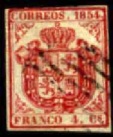 Inside
#2216:
Inside
#2216:
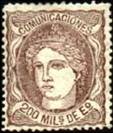 Inside
#2216:
Inside
#2216:
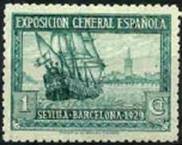 Inside #2216:
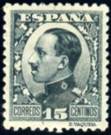 Inside
#2216: Spain #409P
Inside
#2216: Spain #409P
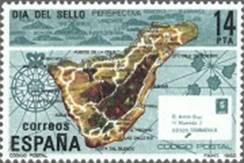
Scott: #2296P
Issued: 16.7.1982
Stamp Day
 Inside
#2296:
Inside
#2296:
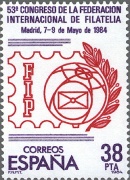
Scott: #2368P
Issued: 3.5.1984
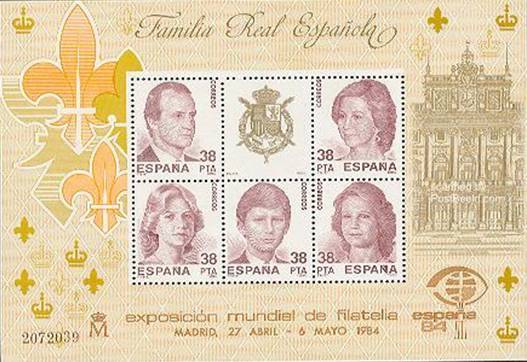
53rd Congress, World Philatelic Federation
Inside #2368: Pseudo Stamp
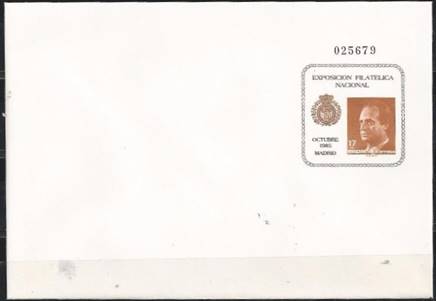
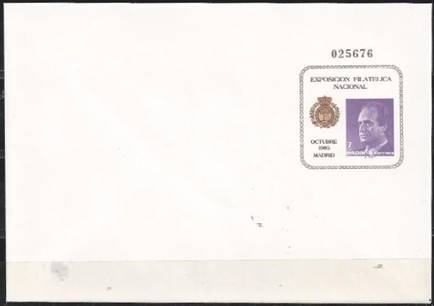
![[National Philatelic Exhibition EXFILNA '86, Cordoba, type ]](Spain_image188.jpg)
Scott: #2490P
Issued: 07.10.1986
National Philatelic Exhibition EXFILNA '86, Cordoba 1986
Inside #2490: Pseudo Stamp - Logo
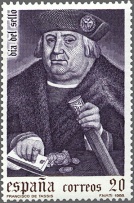
Scott: #2553P
Issued: 29.4.1988
Stamp Day
Inside #2553: Stamp on Envelope
Lou Guadagno wrote:
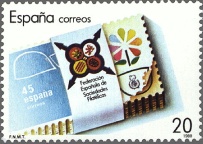
Scott: #2570P
Issued: 27.9.1988
25th Anniversary, Federation of Spanish
Philatelic Societies
 Inside
#2570:
Inside
#2570:
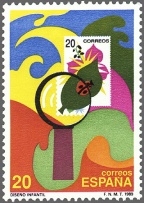
Scott: #2592P
Issued: 3.1.1989
Stamp Collecting
Inside #2592: Pseudo Stamp
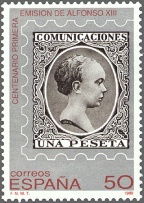
Scott: #2608P
Issued: 2.10.1989
Centenary of the First Alfonso XIII Issue
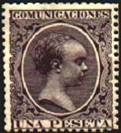 Inside
#2608:
Inside
#2608:
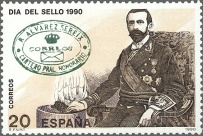
Scott: #2621P
Issued: 18.4.1990
Stamp Day
Inside #2621: Cancel
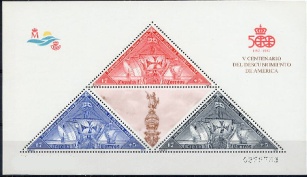
Scott: #B194O
Issued: 31.3.1992
500th Anniversary, Discovery of America
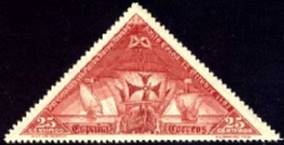
Inside #B194: Columbus Types of 1930 - A65 (B) (pic of #426P) (Paraguay)
5th CENTENARY OF DISCOVERY OF
This seventh edition closes the thematic cycle
dedicated to the 5th Centenary of the Discovery, in which there has
been a procession of characters, events and symbols on stamps, related to this
unique undertaking by Spain, just after it had itself become a nation, opening
up the door to where old Europe had yet to explore.
Spanish stamp collecting had a long delayed debt
to Columbus and his seamen and the conquest; in 1853 Chile, whose coasts were
never visited by the Admiral, was the first to place his figure on stamps, at
such an early date, and to continue with it as a main feature on its series of
stamps.
In Spain, on the occasion of the Latin America
Exhibition in Seville, in 1929, Alfonso XIII´S government received many demands
to commemorate and perpetuate the memory of that event; with a correct criterium, it opted for satisfaction through stamp issues,
by Royal Order of 29.9.1930, publishing an issue in Seville with twelve
different engravings, covering ordinary mail, air mail and that to Latin
America, thus paying Spanish stamp collecting's debt to Columbus.
The one which has now appeared, coincides with
two commemorative events; that of the World Fair in
The aforementioned issue is in three stamps, in
a triangular form, bearing the motive which best symbolizes the Discovery: the
captain's ship, the
These stamps are
(http://www.stamps-spain.com/v_centenari.html)
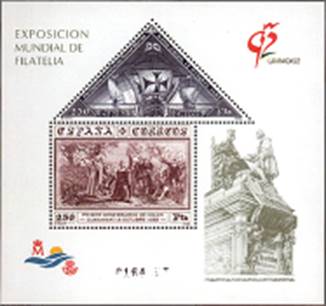
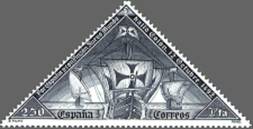
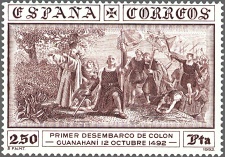
Scott: #2671O, #2671aO,
#2671bO (B)
Issued: 24.4.1992
Int'l Philatelic Exhibition,
|
|
Inside
#2671a: (Pic
of #426) |
|
|
Inside
#2671b: (Pic
of #432) |
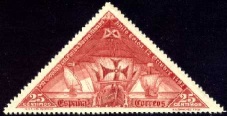
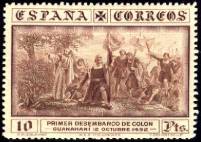
WORLD´S PHILATELY- Granada´92
The second issue that the Spanish Postal
Administration has dedicated to Granada inside the 500th Anniversary series
(the first went to Santa Fe, since it was the starting point of Columbus
travels by land, backed by Ferninand and Isabella,
before fitting out the ships that would carry him to the Indies) is comprised
of one block sheet with two stamps and a complementary picture showing the main
part of the monument to Columbus in the city of Darro.
This block sheet is a commemorative gesture on the occasion of the World´s
Philately Exhibity Fair on the Discoverer's passage
through
The motifs of the two stamps are exact replicas
(except for their rates) of the stamps issued on September 29, 1930, dedicated
to Columbus´ feat. They are philately's now permanent symbol of the flagship
flanked by the caravels, and the stamp depicting Columbus´ arrival in the
The Spanish Postal Service Propitiated the grant
of this important philatelic show to our country and its placement in Granada,
since Granada is a universal city whose limits stretch beyond the horizon to
the west to all parts of America, whose roots lie in Granada, and to the east,
to all the cultures Granada received, absorbed and still preserves in red stone
and singing fountains, as a universal treasure. (http://www.stamps-spain.com/granada.html)
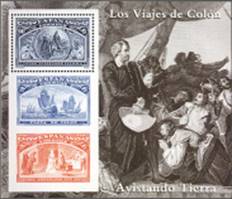
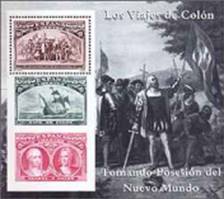
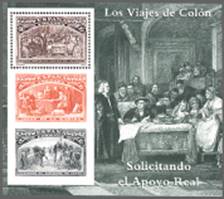
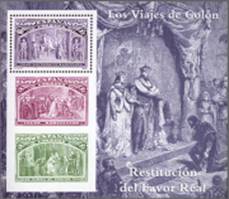
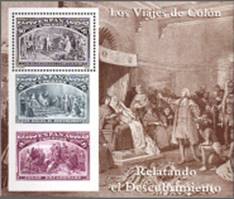
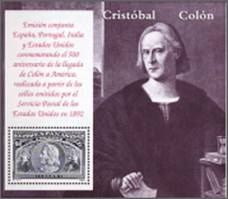
Scott: #2677-82P
Issued: 22.5.1992
Voyages of
(See: US #2624-9, Italy #1883-8 & Portugal #1918-23 for
similar Issues)
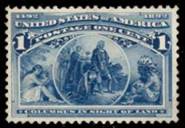 Inside
#2677: Similar to US#230P(Italy) (B)
Inside
#2677: Similar to US#230P(Italy) (B)
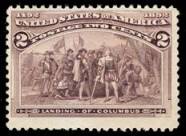 Inside
#2678: Similar to US #231P
Inside
#2678: Similar to US #231P
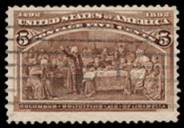 Inside
#2679: Similar to US #234P
Inside
#2679: Similar to US #234P
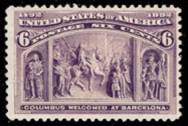 Inside
#2680: Similar to US #235O (B)
Inside
#2680: Similar to US #235O (B)
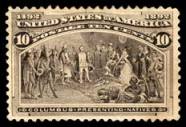 Inside
#2681: Similar to US #237O (B)
Inside
#2681: Similar to US #237O (B)
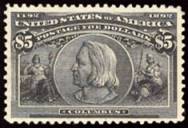 Inside
#2682: Similar to US #245O (B)
Inside
#2682: Similar to US #245O (B)
![[Olympic Games - Barcelona, Spain & International Philatelic Exhibition OLYMPHILEX `92, type DOS]](Spain_image232.jpg)
![[Olympic Games - Barcelona, Spain & International Philatelic Exhibition OLYMPHILEX `92, type DOT]](Spain_image233.jpg)
Scott: #B200-1P
Issued: 29.7.1992
Olympic Games - Barcelona, Spain & International
Philatelic Exhibition OLYMPHILEX `92
Inside #B200: Pseudo Stamp
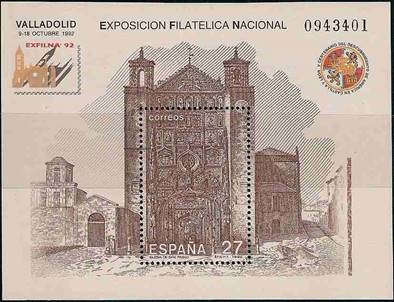
Scott: #2690P
Issued: 9.10.1992
EXFILNA '92
Inside #269
(Logo): Pseudo Stamp
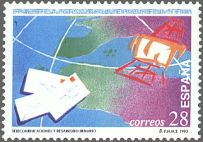
Scott: #2710P
Issued: 17.5.1993
Telecommunications Day
Inside #2710: Stamps on Envelopes
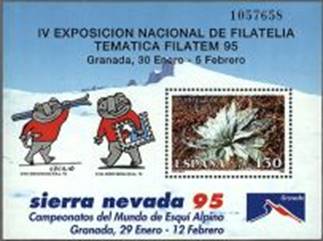
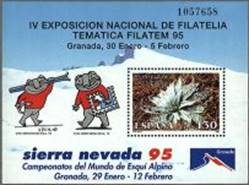
Scott: #2802PP
Issued: 30.1.1995
FILATEM ‘95
Inside #2802 (in margin): Pseudo Stamp
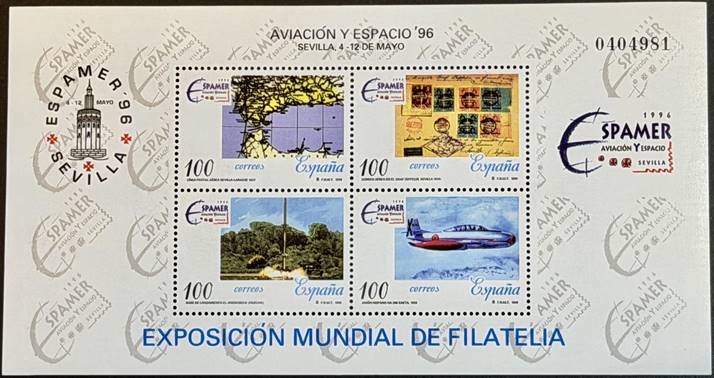
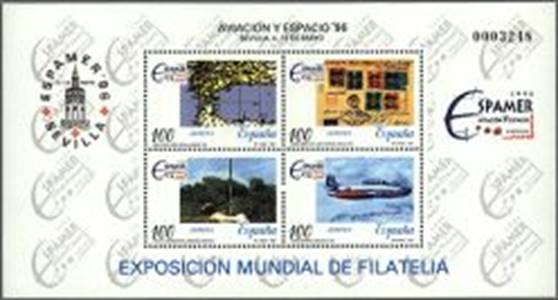
Scott: #2851P
Issued: 4.5.1996
ESPAMER '96
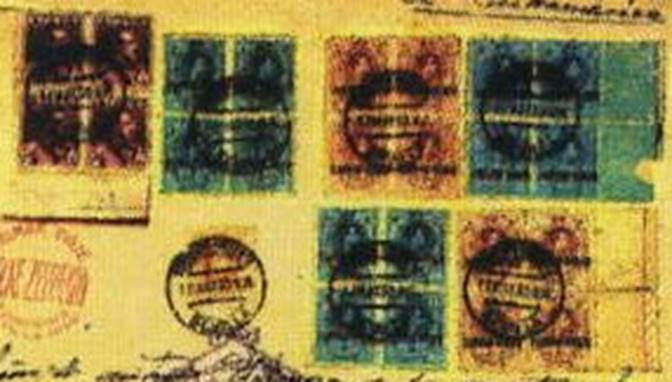
Scott: #2851b
Inside #2851b:
|
|
|
|
|
|
Block
of 4 |
Block
of 4 |
Block
of 4 |
Block
of 4 |
|
|
|
|
|
|
|
|
Block
of 4 |
Block
of 4 |
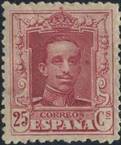
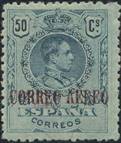
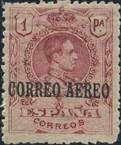
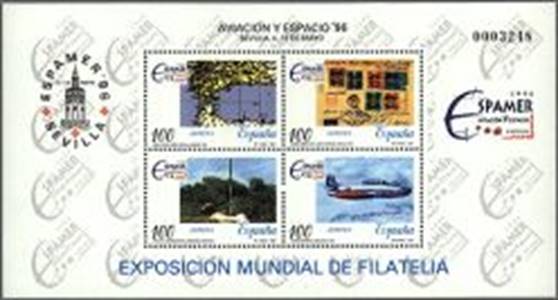
Thanks to Lou Guadagno
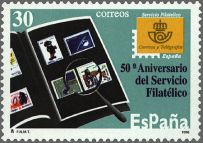
Scott: #2860P
Issued: 4.6.1996
50th Anniversary, Philatelic Service

Inside #2860:
|
|
|
|
|
|
|
|
|
|
|
|
|
|
|
|
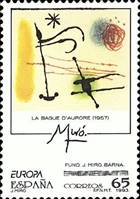
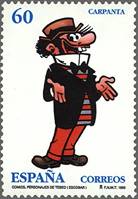
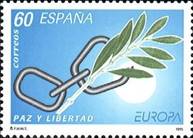
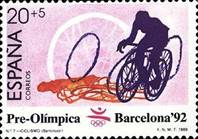
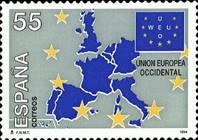
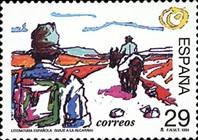
Thanks to Lou Guadagno
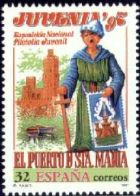
Scott: #2879P
Issued: 28.2.1997
Juvenia
'97
Inside #2879: Pseudo Stamp
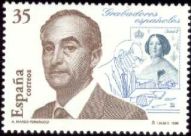
Scott: #2947P
Issued: 5.6.1998
Antonio Manso, Stamp Engraver
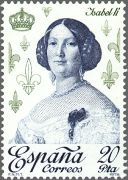 Inside
#2947:
Inside
#2947:
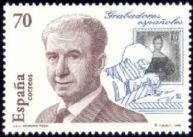
Scott: #2948P
Issued: 5.6.1998
Sanchez-Toda, Stamp Engraver
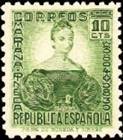 Inside
#2948:
Inside
#2948:
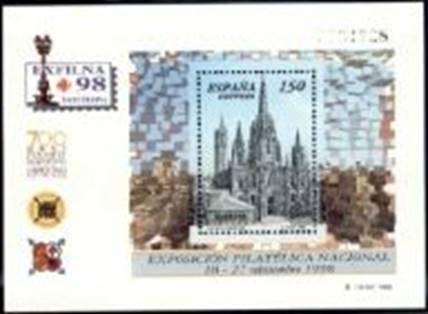
Scott: #2954O
Issued: 18.9.1998
EXFILNA '98
Inside #2954 (in Margin): Pseudo Stamp
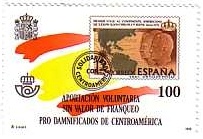
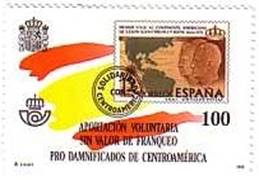
Scott: #????O
Issued: 11.12.1998
Charity Stamp to help the victims of Hurricane 'Mitch' in
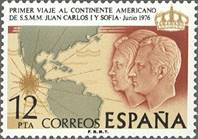 Inside #????: Spain #1958P
Thanks to G.B.
![[National Philatelic Stamp Exhibition EXFILNA `99, Saragossa, type ]](Spain_image285.jpg)
Scott: #2988PP
Issued: 9.4.1999
National Philatelic Stamp Exhibition EXFILNA `99,
Saragossa
Inside #2988 (in Margin): Pseudo Stamp
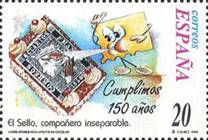
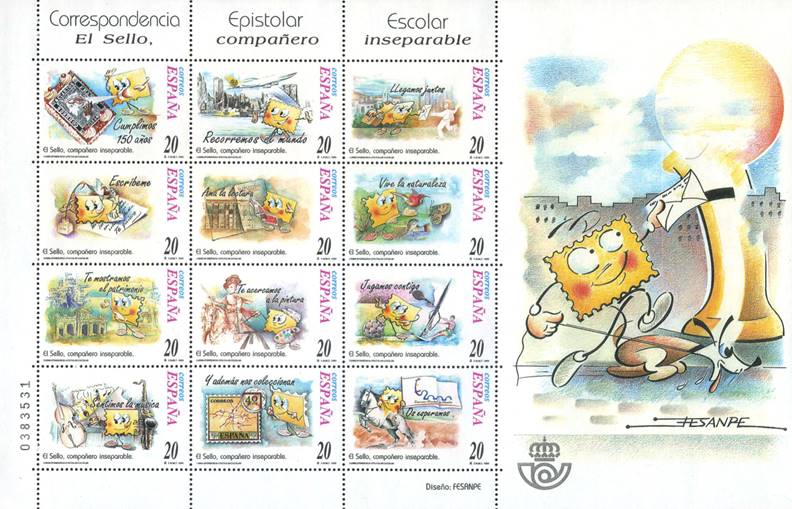
Scott: #3016O
Issued: 13.10.1999
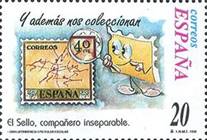
Letter Writing 1999
Scott: #3016aO
 Inside
#3016a:
Inside
#3016a:
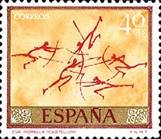
Scott: #3016kO
 Inside #3016a: Spain #1449O
(Modified: changed color in inscriptions)
Inside #3016b-j, #3016l: Pseudo Stamps
Thanks to Lou Guadagno
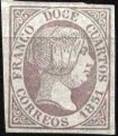
Scott: #3022a-lO
(#3022bP#3022cP,
#3022hP)
Issued: 3.1.2000
150th Anniversary, First Stamps of
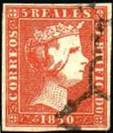 Inside
#3022a&g:
Inside
#3022a&g:
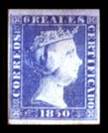 Inside
#3022b,e&k:
Inside
#3022b,e&k:
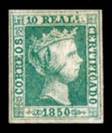 Inside
#3022c&I:
Inside
#3022c&I:
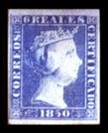 Inside #3022d&l:
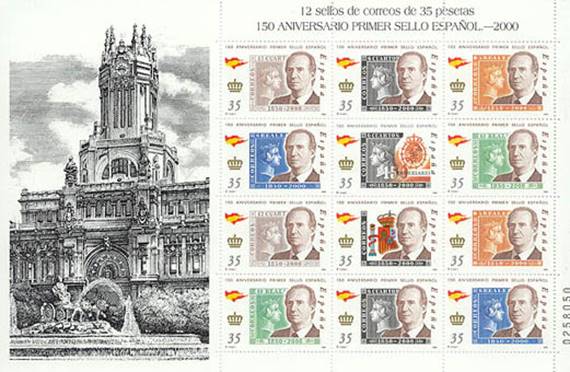 Inside #3022f&j:
Scott: #3022O
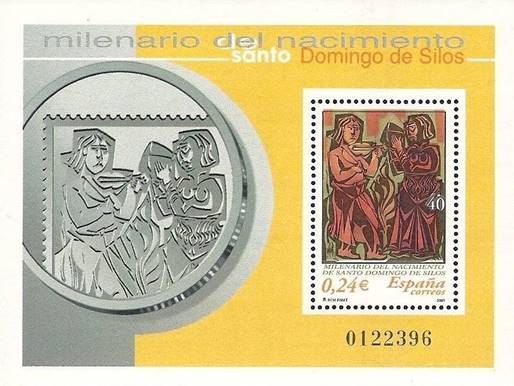
Scott: #3118aP
Issued: 4.10.2001
Millennium of Birth, St. Dominic of Silos
Inside #3118a (In margin): Partial self on medal or coin
Thanks to Lou Guadagno

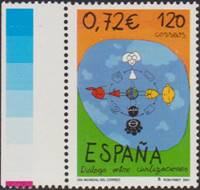
Scott: #3119O
Issued: 9.10.2001
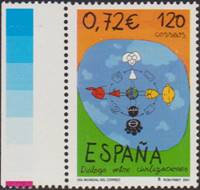
Dialogue among Civilizations
Inside #3119: Pseudo Stamp on Envelope
Thanks to Lloyd Gilbert
![[The World Youth Philatelic Exhibition "ESPAÑA 2002" - Salamanca, type ENL]](Spain_image309.jpg)
Scott: #3146P
Issued: 22.02.2002
The World Youth Philatelic Exhibition "ESPAÑA
2002" - Salamanca
Inside #3146: Pseudo Stamp

Scott: #3157P
Issued: 25.03.2002
Stamp Day – IFSDA
Inside #3157: TBI
Thanks to Komlóssy Zoltán
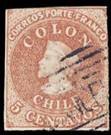
Scott: #3227P
Issued: 1.7.2003
150th Anniversary, First Stamps of
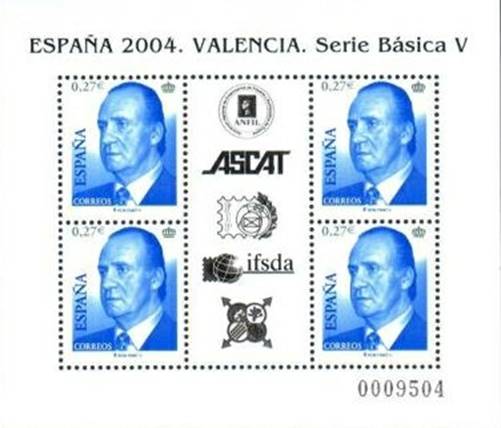 Inside
#3227:
Inside
#3227:
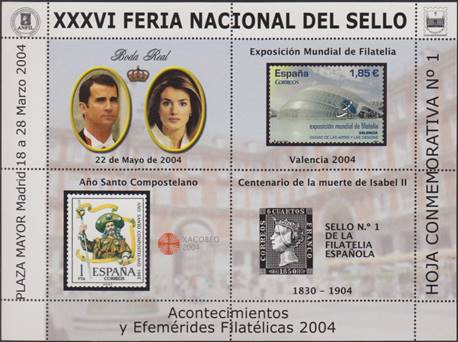
Scott: #3272aP
Issued: 25.5.2004
Espana 2004,
Inside #3272a(In logo): Spain #1P
Thanks to Lou Guadagno
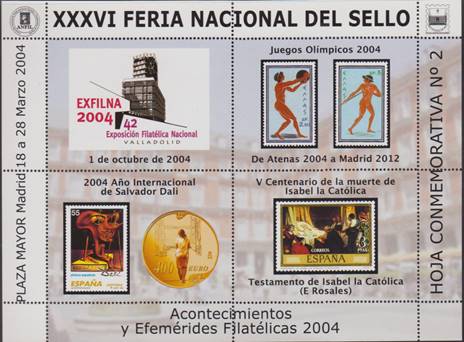

Commemorative sheets (with no franking value)
Issued as souvenirs for the Stamp Fair
Issued: 18.03.2004
Thanks to Lloyd Gilbert

Scott: #3315P
Issued: 6.9.2004
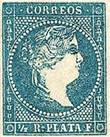
150th Anniversary, First Stamps of
 Inside #3315:
The
first postage stamps used in the
(http://www.filipinoheritage.com/history/stamps.htm)
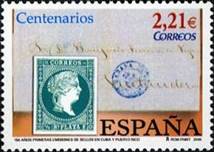
Scott: #3378P
Issued: 20.10.2005
150th Anniversary, First Spanish stamps issued
for
 Inside #3378:
At
the time,
This
issue reproduces a letter sent from
Lou
Guadagno wrote: It commemorates the 150th Anniversary of the First Stamps of
Cuba and Puerto Rico (Spanish Antilles), and reproduced is
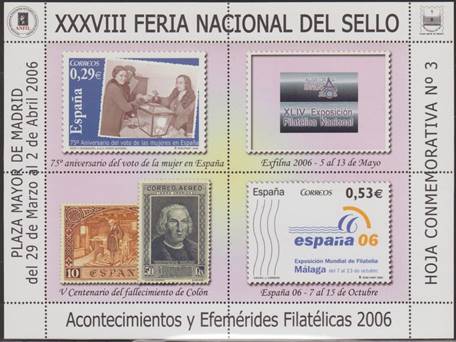
Commemorative sheets (with no franking value)
Issued as souvenirs for the Stamp Fair
Issued: 29.03.2006
Thanks to Lloyd
Gilbert
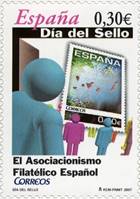
Scott: #3498P
Issued: 07.05.2007
Stamp Day - Spanish philatelic association
Inside #????: Pseudo Stamp
On
the 10th April 1869, a group of people fond of stamps created The London
Philatelic Society, the oldest philatelic association in the world. It was
awarded the “Royal” title in 1906 due to its prestige and international
acknowledgement which it still has today and is now known as The Royal
Philatelic Society London. Based on the English example, philatelic
associations were established in other countries. In Spain, the first
associations came up at the end of the XIX century being one of the first ones
The Philatelic Society of Seville founded in 1895. In 1900 the Valencia
Philatelic Union was created with regulations published in Spanish and French
gathering up the objectives of this association. It writes down a “Stamp Swap”
section between members with a road map under strict control. This association
and the thriving Catalonian Philatelic Society from Barcelona, attempted from
the beginning of the XX century to unite Spanish philately so that dealers and
stamp collectors could create common philatelic societies. At an international
level there are different federations of philatelic associations. The
International Federation of Philately (FIP), the European Federation of
Philatelic Associations (FEPA), the Interamerican
Federation of Philately (FIAF) and the International Association of Philatelic
Experts (AIEP) are amongst the most important.
Thanks to
Komlóssy Zoltán
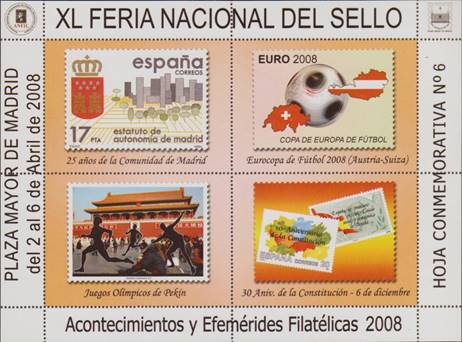
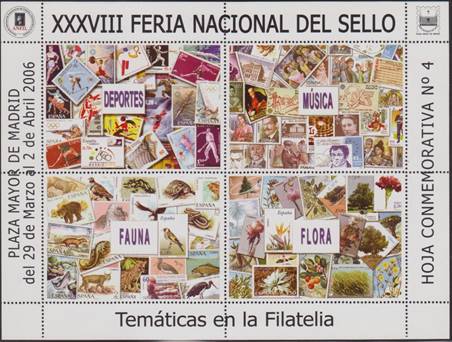
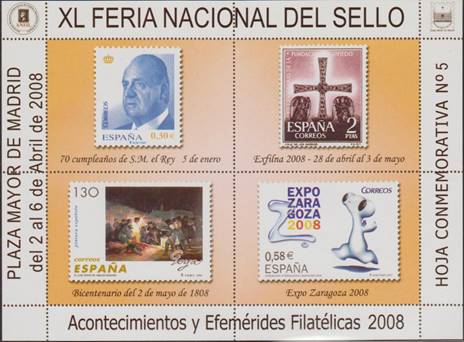
Commemorative sheets (with no franking value)
Issued as souvenirs for the Stamp Fair
Issued: 2.4.2008
Thanks to Lloyd
Gilbert
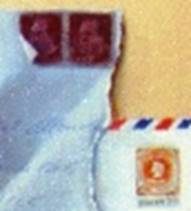
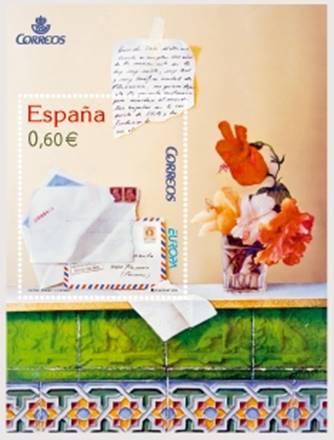
Scott: #3579P
Issued: 23.4.2008
Europa - Letters
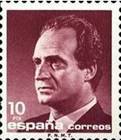
 Inside #3579:
(Thanks to Lou)
Inside #3579:
This
year’s Europa issue, a stamp launched by the member countries of Post Europ (Association of European Public Postal Operators)
with a common theme, is devoted to the letter; a communication system that for
centuries has been carried out by the public postal administrations.
The
dictionary defines the letter as “A written or printed communication directed
to a person or organization“. Similar definition has used Correos throughout
history to define the task of the Spanish Post implying the secret and
inviolability of communications and their delivery to the addressee.
It
is the most used means of communication by politicians, scientists, writers and
men and women throughout history and it has been the only means of
communication until the telegraph and later on the telephone appeared. Writers from
all times and countries have used letter writing as a literary gender as means
of expressing their feelings and emotions such as José Cadalso, Juan Valera, Quevedo, Volatire, Bécquer and
Kafka amongst many others have left us their excellent publications in the form
of letters. A 19th century text defines the letter as: “a comfort to people of
all social classes; the arrival of a letter is always a wonderful piece of news
like the visit of a friend or beloved relative”
The
Europa stamp issued on this occasion is part of a souvenir sheet recreating a
romantic composition. The author, J. Carrero, creates
a figurative painting with a set design were appear different elements of
everyday life such as a mantelpiece, a glass with colourful
flowers, letters and cancelled envelopes making up a harmonious set where the
letter is the key element with a message beginning: “Dear beloved Inés…”
Thanks to
Roberto
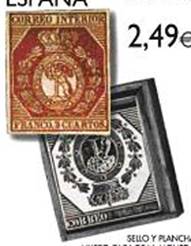
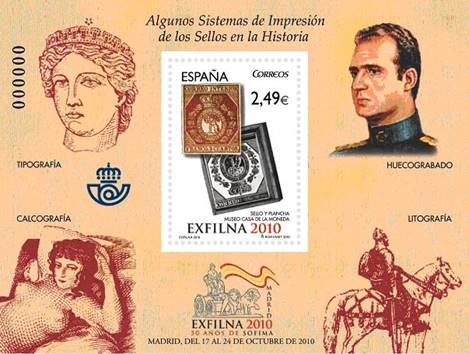
Scott: #3754O
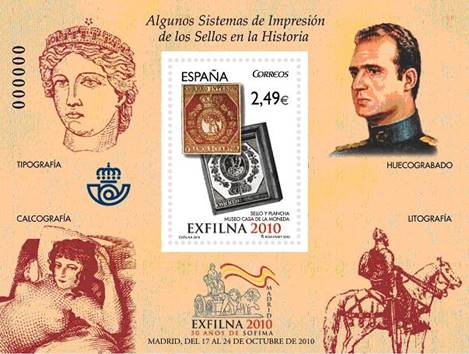
Issued: 18.10.2010
EXFILNA 2010
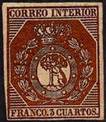
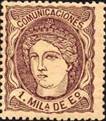 Inside #3754:
http://www.sandafayre.com/gallery/stamp_857.htm
Inside #3754 (In Margin): Design
components (motif details in changed colors)
|
|
|
|
|
|
|
|
|
|
Spain #399P |
|
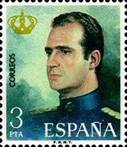
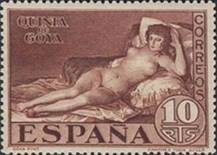
Thanks to Prof. Plinio Richelmi and to Lou
Guadagno
2011 - to check
Komlóssy Zoltán
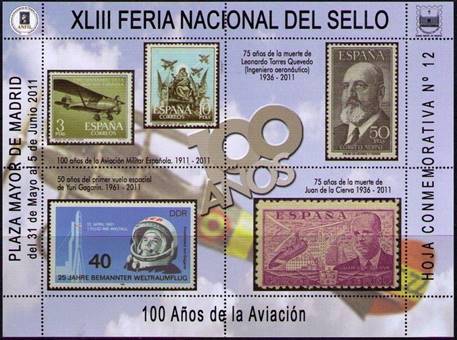
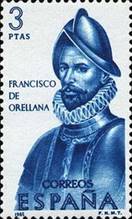
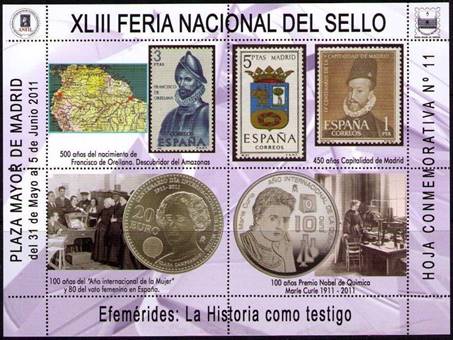
Commemorative sheets (with no franking value)
Issued as souvenirs for the Stamp Fair
Issued: 31.05.2011
|
|
|
|
|
Spain #1322P |
|
|
|
|
|
|
|
|
|
|
|
|
|
|
|
German Democratic Rep. #2528P |
Spain #C102P? |
|
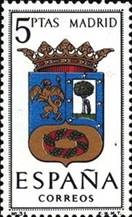
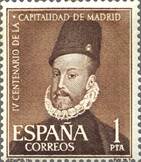
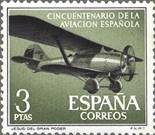
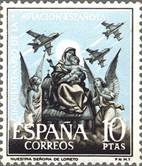
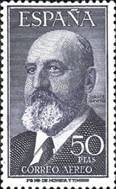
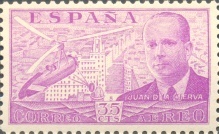
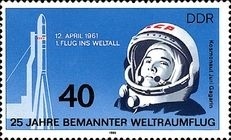
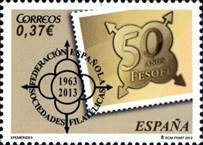
Thanks to Prof. Plinio Richelmi and to Lou
Guadagno
Scott: #3906P
Issued: 29.04.2013
50th Anniversary, Spanish Federation of
Philatelic Societies
Inside #3906: Pseudo Stamp
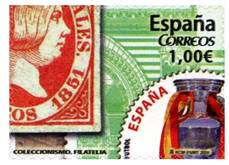
Scott: #3956hO
Issued: 30.05.2014
Collecting
![Collector profile picture : Miguel Garcia [Miguel-53]](Spain_image382.jpg) Inside #3956h: Spain #8
Inside #3956h: Spain #8
 Inside #3956h: Spain #3422 (Partly, Changed
color)P
Inside #3956h: Spain #3422 (Partly, Changed
color)P
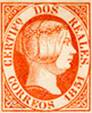
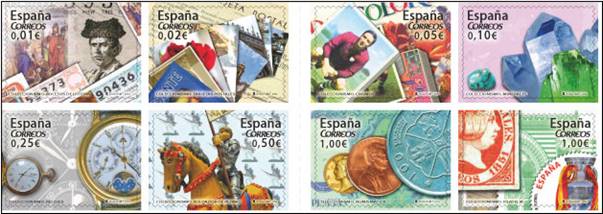 Inside #3956h: Spain #3881
Scott: #3956O
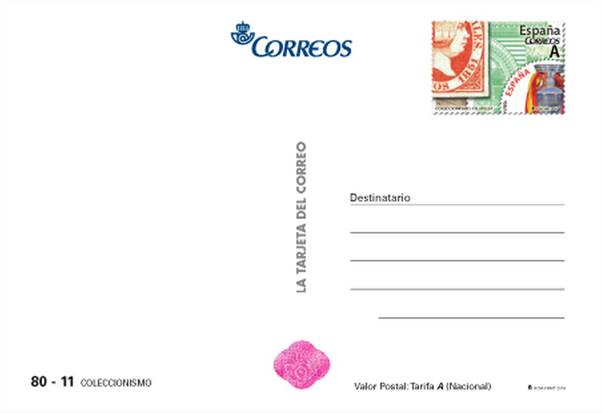
Impr.
Card
Thanks to Lou Guadagno
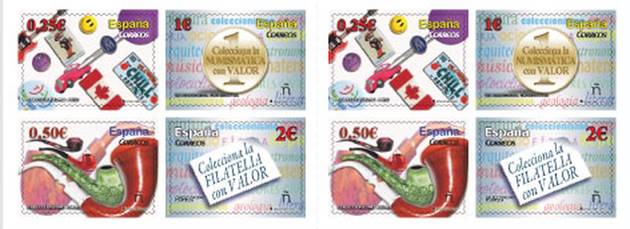
Scott: #4026aO
Issued: 03.02.2015
COLLECTING
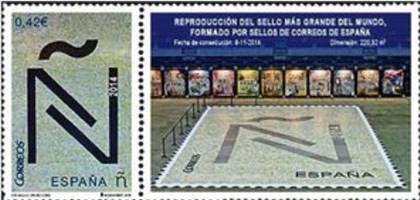 Inside #4026a:
Thanks to Lou Guadagno
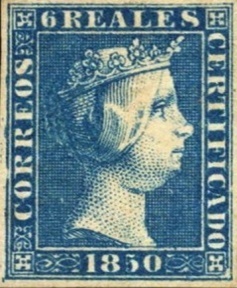
Scott: #4051O
Issued: 19.05.2015
One Stamp, One Record
Inside #???? (On label):
Scott: #4064O
Issued: 08.09.2015
Fermin Caballero
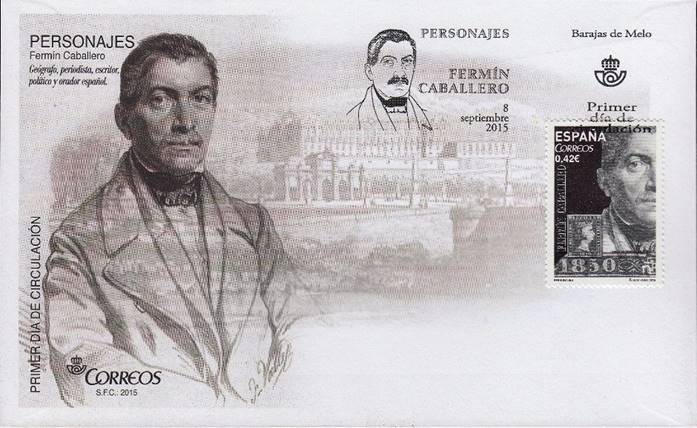 Inside #????:
(black, not blue, also a partial lower frame detail)

Fermín
Caballero, one of the most prominent political and intellectual personalities
of the reign of Isabel II, is being included in the series Personalities due
to his link to the origin of stamps in Spain. In 1843, when he was Minister of
Governance, he passed the first order to study the establishment of prepaid
postage in this country: “recently adopted in some countries in Europe…”
The
stamp shows half of the man's face, in which his intense gaze stands. In the
background are images of Madrid and the first stamp from 1850 with the word
“Certified”. Foil was used in the printing process to give it a metallic
aspect.
Fermín
Caballero (Barajas de Melo, Cuenca, 1800 – Madrid,
1876), from a well-to-do family, began his studies in his native town. He
seemed to be destined for the Church, where several of his family members were
active, and consequently entered the seminary of Cuenca to study philosophy and
later the University of Zaragoza to continue with theology. The revolution of
1820 changed his direction and he began to become involved in politics,
switching from ecclesiastical studies to law, which he studied at the
University of Alcalá de Henares
(Madrid).
With
liberal ideas, he joined the Progressive Party and in 1834 was elected by
Madrid and Cuenca to occupy a seat as a lawyer; he chose to occupy the seat in
Cuenca. In this tumultuous period of constant political change, Fermín
Caballero was the mayor of Madrid and Minister of Governance under Joaquín María López. After the fall of this government, he left
politics and focused on intellectual work, publishing several works.
In
his younger years he was a writer for the newspaper “Boletín
de comercio”, which was later called the “Eco
del comercio”, which played an important role in
the development of liberalism.
He
showed an interest in geography and agriculture throughout his life. He was a
member of the Territorial Division Committee and worked to build the
foundations of a statistical and population census system. Among his published
works, of note are “Nomenclatura geográfica de España
(Geographical nomenclature of Spain)” (1834), “Manual geográfico-administrativo (Geographical-Administrative
Manual)” (1844) and “Fomento de la población rural (Promotion of the rural population)”
(1863).
Thanks to Lou Guadagno
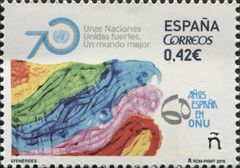
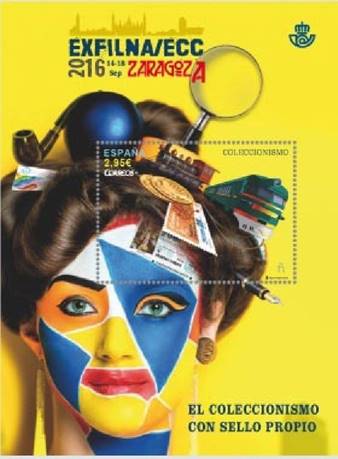
Scott: #4102O
Issued: 17.02.2016
Exfina
2016, Zaragoza Collecting
 Inside #4102:
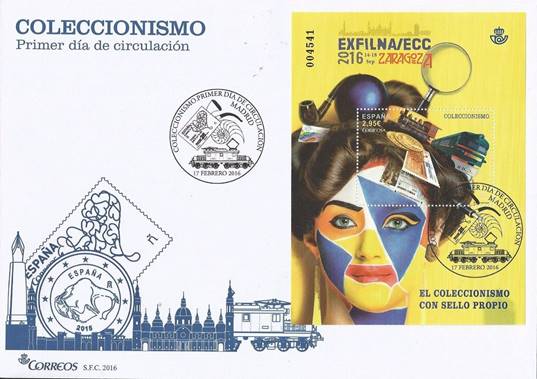 Inside #4102 (in margin):

Thanks to Lou Guadagno
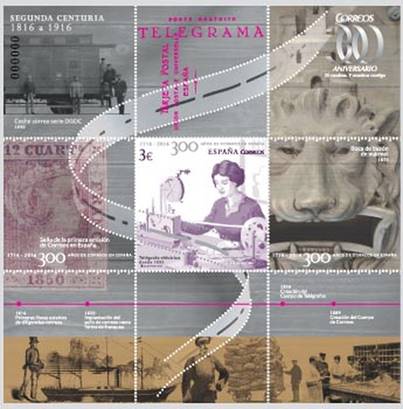
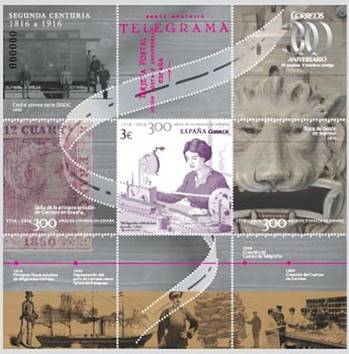
Scott: #4121O
Issued: 21.04.2016
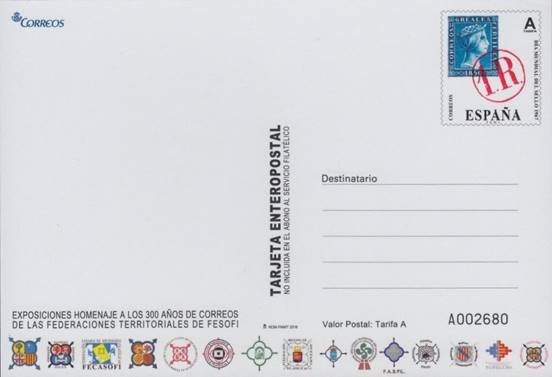
300 Years of Post in Spain-Telegraph
 Inside #4121:
Thanks to Lou Guadagno
Imprinted postal cardO
Issued: 21.05.2016
300 Years of Post in Spain
See Spain #1470
Thanks to Lou Guadagno
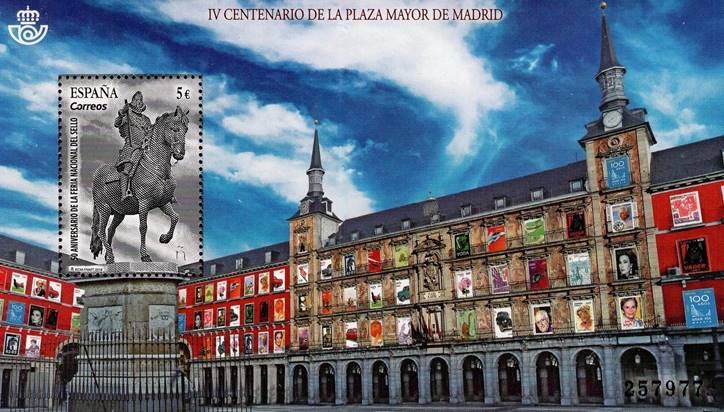
Scott: #????O
Issued: 29.04.2018
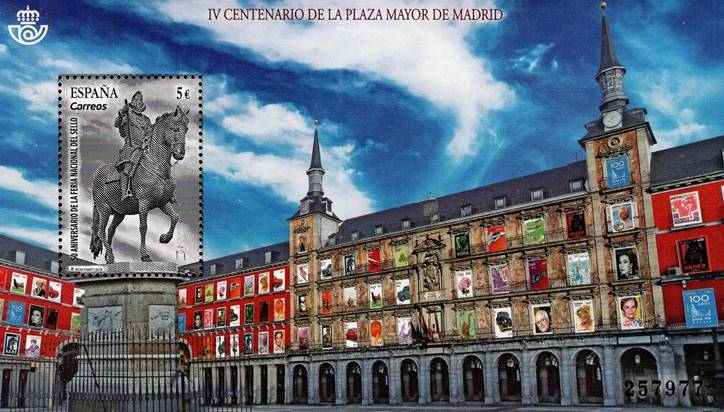
IV Century of the Plaza Mayor in Madrid
and
50th Anniversary of the National Stamp Fair
|
|
|
|
|
|
Spain #3635P |
|
|
|
|
|
|
|
|
|
|
Spain #4119O |
|
|
|
|
|
|
|
|
Label |
|
|
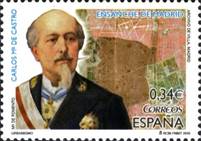

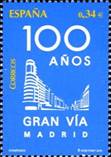



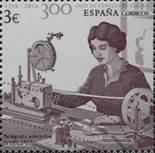
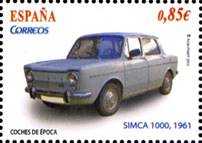
|
|
|
|
|
Spain #3853dO |
|
|
|
|
|
|
|
Spain #4045O |
|


|
|
|
|
|
Label |
|
|
|
|
|
|
|
Spain #4119O |
|
|
|
|
|
|
|
|
|

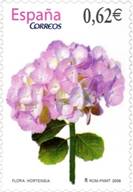
|
|
|
|
|
Spain #3621P |
|
|
|
|
|
|
|
Spain #4206O Label |
|
|
|
|
|
|
|
|
Spain #3621P |
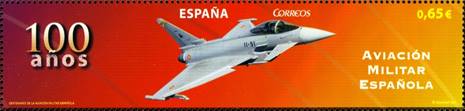

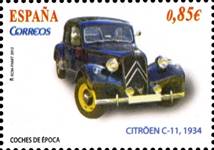

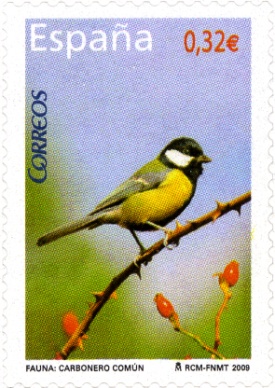
|
|
|
|
|
Spain #3620P |
|
|
|
|
|
|
|
Spain #4206O label |
|
|
|
|
|
|
|
Spain #4206O Label |
Spain #3852O |
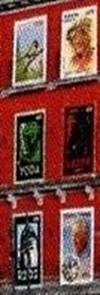
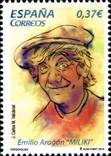


|
|
|
|
|
|
Spain #3853bP |
|
||
|
|
|
||
|
Spain #3977aO |
|
||
|
|
|
||
|
Spain #4207O |
Label |
||
|
|
|
||
|
|
|
|
|



|
|
|
|
|
Spain #3853dO |
Label |
|
|
|
|
|
|
Spain #3794cO |
|
|
|
|
|
|
|
Spain #4206O Label |
|


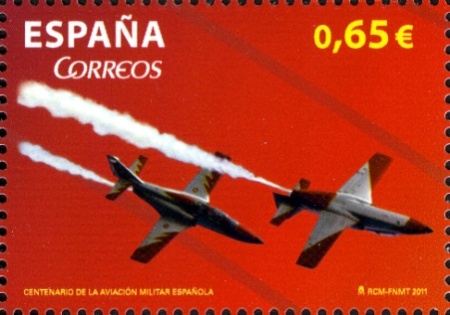

|
|
|
|
|
Spain #3794bO |
|
|
|
|
|
|
|
Spain #3635P |
|
|
|
|
|
|
|
Spain #3977aO |
|
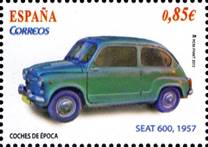

|
|
|
|
|
Spain #4206O label |
|
|
|
|
|
|
|
Spain #3621P |
|
|
|
|
|
|
|
Spain #4046O |
|
|
|
|
|
|
Spain #4045O |
|
|
|
|
|
|
|
Spain #3794aO |
|
|
|
|
|
|
|
Spain #4208O |
|

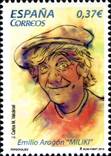
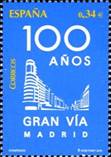
|
|
|
|
|
|
Spain #3710O |
|
||
|
|
|
||
|
Spain #3852O |
|
||
|
|
|
||
|
Spain #4119O |
|
||
|
|
|
||
|
Spain #4207O |
|
|
|
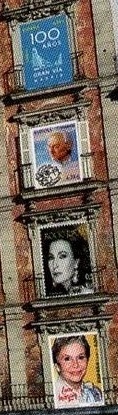
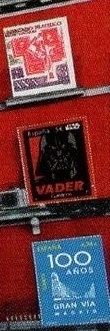
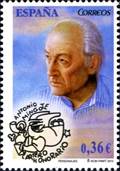
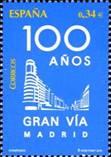
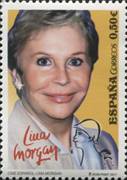
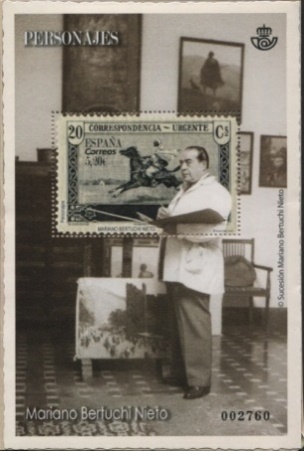
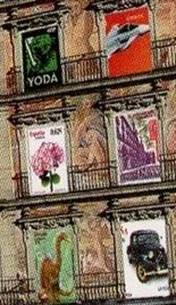
Lou
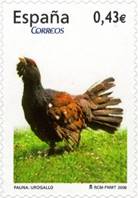
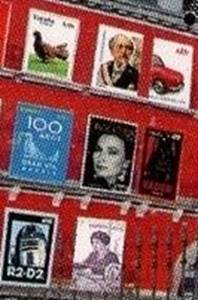
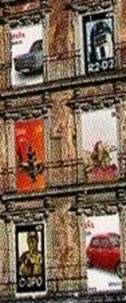
wrote: Hanging on the facing building are large partial reproductions of over
30 Spanish commemoratives (with some duplications), including Spain
#2043, issued in 1977 to note the 50th Anniversary of the Philatelic Market
held in the Plaza every Sunday. Since #2043 includes a stamp on stamp in
its design, it is a SoSoS, so the s/s is a SoSoSoS!
Thanks to Lou Guadagno
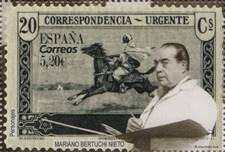
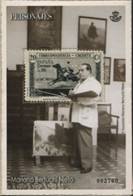
Scott: #4352O
Issued: 29.03.2019
135th Anniversary, Birth of Mariano Bertuchi,
Spanish artist, stamp designer
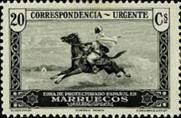
 Inside #4352: Morocco #E4O
(modified value)
Inside #4352: Morocco #E4O
(modified value)
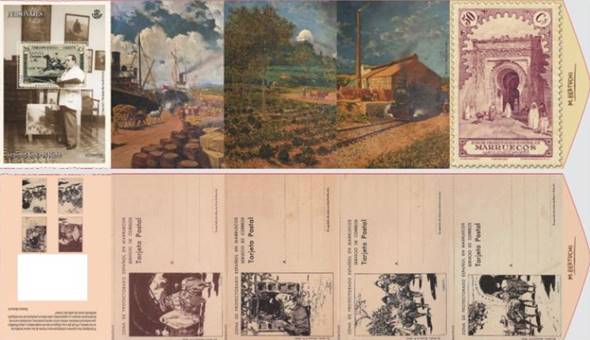
Scott: #4352O
Folder with illustrations of artist's works on
paintings and postal cards
Thanks to Lou Guadagno and to Prof. Plinio
Richelmi

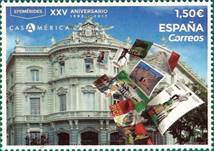
Scott: #4375O
Issued: 29.07.2019
25th Anniversary Casa America
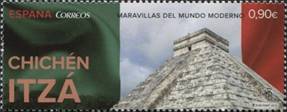
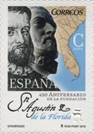 Inside #4375: Spain #4071O
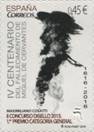 Inside #4375: Spain #4067O
 Inside #4375: Spain #4097P
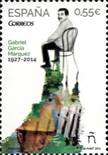 Inside #4375: Spain #3877O
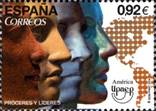 Inside #4375: Spain #4040O
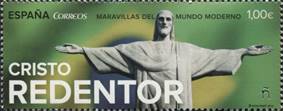 Inside #????: Spain #4001O
 Inside #4375: Spain #4072O
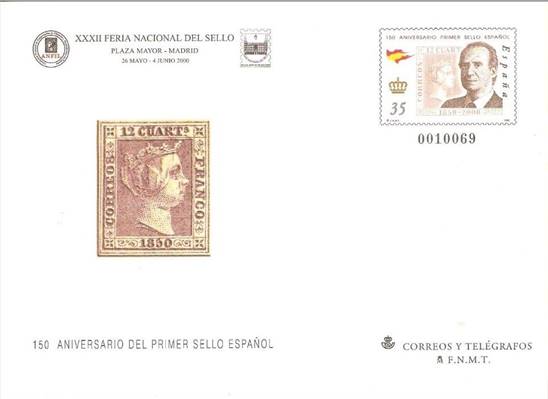 Inside #4375: Spain #4217O
Thanks to Lou Guadagno
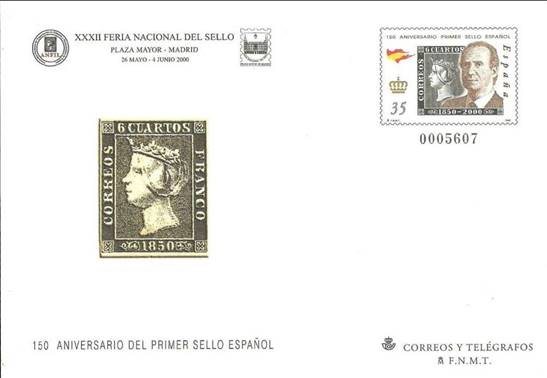
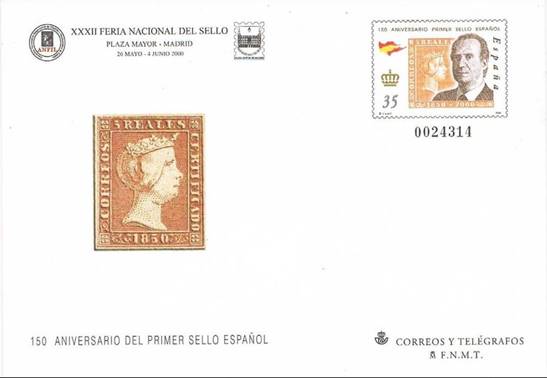
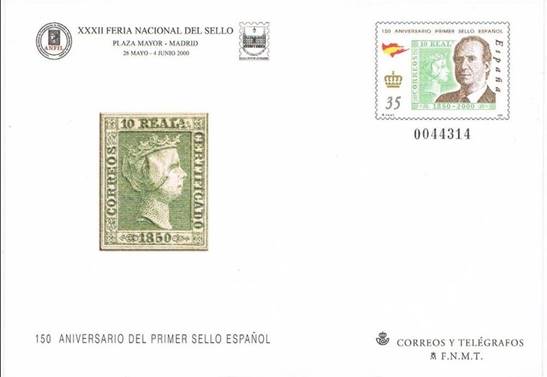
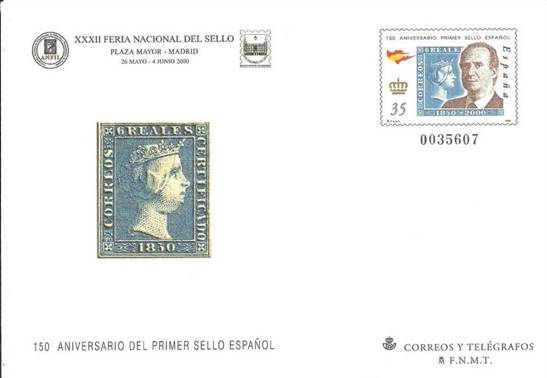
5 imprinted envelopes
XXXII National StampFair/150th
Anniversary of the First Stamps of Spain
Issued: 28.05.2000
Indicia: like Spain #3022a-b-c-d-f with imprinted perfs.
Lou
wrote: These were official issues of the Spanish Post, listed in the
Spanish Edifil catalog which I have no access
to, so I don't have any idea of quantity issued, but I have not seen them
offered recently. I acquired them, mint and fd
cx, from a Spanish internet dealer back when they were
issued, for the going price at the time. I don't have a breakdown of
mint vs fd cx cost, but I do remember that
the cancelled covers were more expensive--I paid $ 34.60 for the 10 covers,
including postage from Spain, and thought that a reasonable price.
Thanks to Martin Hirschbühl and Lou
Guadagno
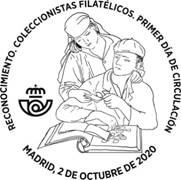
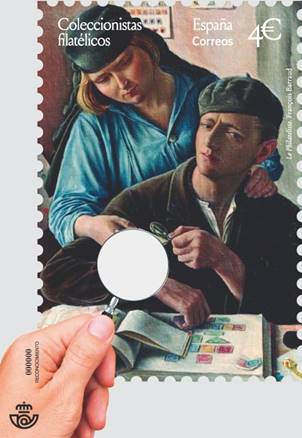
Scott: #4471O
Issued: 02.10.2020
PHILATELIC COLLECTORS
Inside #4471: Many stamps TBI
According to the definition of the Dictionary of
the Royal Spanish Academy of the Language, Philately is the "collecting and
studying postage stamps as a hobby".
There are many people who over the years have
immersed themselves in the exciting world of stamps, becoming not only a hobby,
as the RAE points out, but even a way of life.
Interest in stamp collecting began almost simultaneously
with the appearance of the first stamp in the United Kingdom in 1840.
The term that referred to this activity was born
two decades later, in 1864, when Gustave Herpin used
the term “philatélie” in an article in the
magazine Le Collectioneur de stamps-poste, referring
to stamp collecting as such.
The word origin comes from joining the Greek
terms 'philo' (love, friend, lover) and 'atéleia' (exempt from taxes or tribute).
Although there is no record of who the first
stamp collectors were, there are reports that speak of people who, a few years
after the stamp was born, published advertisements in the press of the time
requesting to exchange correspondence with other people, with the in order to
receive stamps and thus collect them.
Today stamp collecting continues to have its
loyal fans. Every year, in different countries of the world, philatelic
exhibitions are held that gather fans from many countries around these small
stamps.
In Spain, the EXFILNA is an event awaited each
year by national and international collectors, where in addition to being able
to enjoy collections from individuals, novelties are released, increasingly
innovative, that revolutionize the world of philately.
The stamp with which Correos wants to pay
tribute to philatelic collector's features the famous painting The Philatelist,
the work of the Swiss painter François Barraud, from 1929. In addition,
it is printed with a magnifying glass effect that makes it even more special.
Thanks to Michael Merritt
Martin Hirschbühl wrote: Hello from Switzerland...that was also the home of this artist.
I wonder, why this
painting has made it on an odd-shaped Spanish SoS? maybe because of his "Basque cap"?
As you know, there is no identified stamp
described on Rammy's list. I was crazy enough, to get
me this 4€ monster, hoping to recognize some of the
shown stamps.
But no...... the print is too blurry; the best I could find is this
original photo from the Swiss Museum Winterthur, where it is located.
On bottom right (not visible on Spanish SoS) I can identify almost certain 2
Swiss RAYON I of 1850 (dark- and clear-blue) while the remaining are out of my
imagination.
The album-page (under his hand) does not contain
Swiss stamps, because we didn't have any triangular
issue at that time. I suspect them to be Czech or Hungarian?
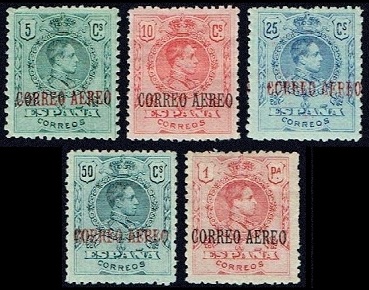
The 2 bottom rows (next
to him) could be a series with diagonal overprints?
Anyway....this is
another nutrocker-case for our Master of SoS......long may he wave
François Barraud -
Le Philatéliste
Any Suggestions?
![[The 100th Anniversary CETA - The Spanish Air Traffic Company, type HJR]](Spain_image584.jpg)
Scott: #4615O
Issued: 10.06.2022
The 100th Anniversary CETA - The Spanish Air Traffic
Company
 Inside #4615: Spain #C1O
 Inside #4615: Spain #C2O
Lou
wrote: I was looking at this issue last night, and I think we need to see a
better scan before we can confirm the IDs; the stamps behind the aircraft
tail are green and pink, the stamp in the left corner is blue and may have two
numerals, and the Spanish airmails have very similar shades. Also, it
is about 400 miles from Seville to Logrono, and I don't think the postage would
have been cheap for a fledgling air service.
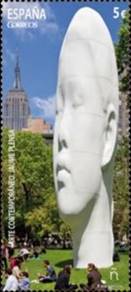
Spain #C1-5
Thanks to Zoltán Komlóssy
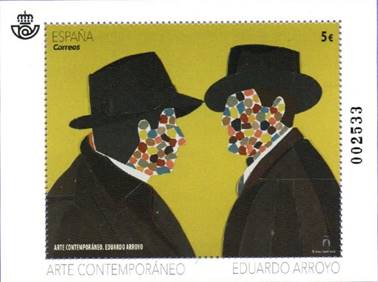
Scott: #4645O
Issued: 11.10.2022
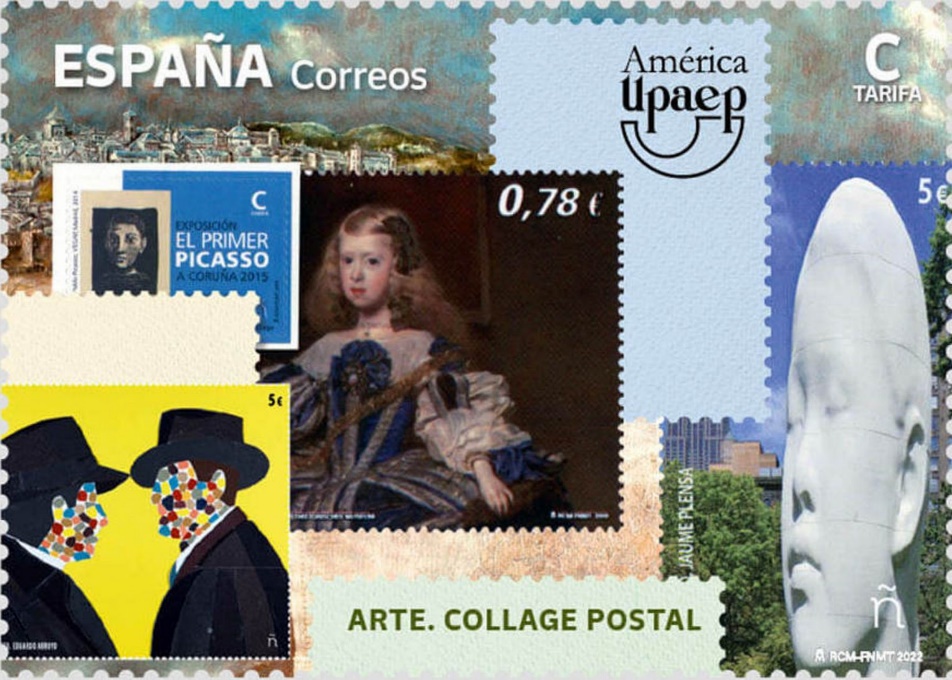
America UPAEP - Collage
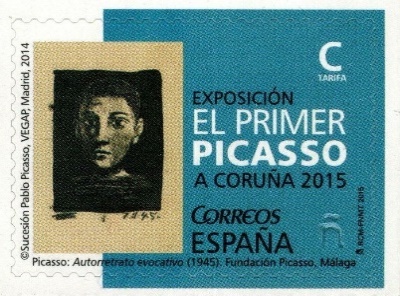
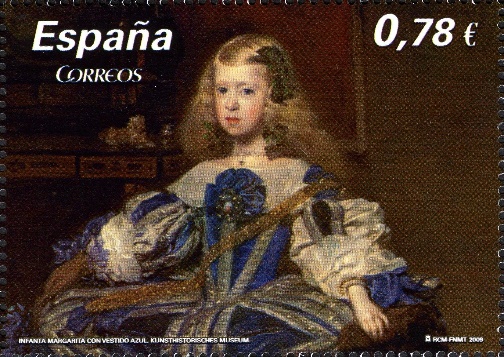
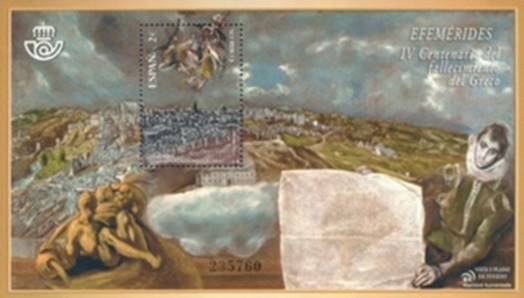 Inside #4645: Spain #4015O
 Inside #4645: Spain #3677dO
 Inside #4645: Spain #4137O
 Inside #4645: Spain #4264O
Inside #4645: Spain #3984O
Lou wrote: On October 11, 2022 Spain
issued one value to note America UPAEP, entitled "Collage",
which is made up of several Spain stamps. Some are partials, one I
found interesting because of the subject's background, and the other
because it showed a s/s margin instead of the stamp which made it a little
harder to identify.
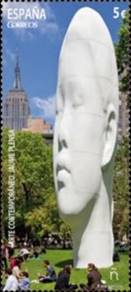
Jaume Plensa, a world famous sculptor was honored on Spain #4137 by showing
a photo of one of his works, "Echo", a 44' tall girl's head in
white resin, on display in a park. Tho it was
cropped, I was surprised to see what I thought was the Empire State
Building in the background, and I was right! A short visit to the
internet came up with a news clip that the sculpture was set up in Madison
Square Park for two months in 2011. When searching for the
scans, I found one of the full s/s which had the complete scene.
In the top background of the SoS
there appeared to be a painted view of an old city so I did a search on Delcampe for stamps with views of Spanish cities, Madrid,
Barcelona, Seville and then Toledo, where I almost missed finding it, as the
stamp was part of an issue noting Toledo as a UNESCO World Heritage Site;
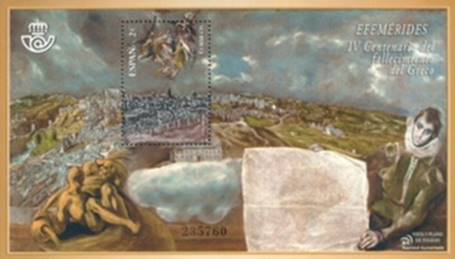
however, it honored the artist, el Greco on the fourth
century anniversary of his death by illustrating his painting, "View
and Plan of Toledo". If the designer had used the portion of the s/s
to the left of that shown, it would have included part of the sheet's stamp.
This is my kind of SoS.
a little challenge in the identifications, and an opportunity to allow my
curiosity about what I was looking at to learn something new. If
you look further into the other SoS on this
issue you will also find some interesting bits of knowledge.
Michael Merritt wrote: Great job! But I
think if you look carefully, the earlier Toledo stamp is an engraved (?)
version of a portion of the painting, set in a s/s showing an image (not engraved)
of the rest of the painting. The current stamp shows an image (not
engraved) of part of the painting, including some of the s/s and including also
a bit of the painting that was rendered in engraved form in the earlier stamp.
So this would seem to me at best a design element, not a “stamp on stamp” per
se, for this part of the collage. Tricky, tricky!
Thanks to Lou Guadagno
Scott: #????O
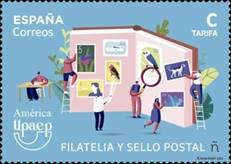
Issued: 11.10.2023
America UPAEP Issue - Philately and Postage Stamps
Inside #????: Pseudo Stamps
Thanks to Richelmi Plinio
Scott: #4828O
Issued: 07.01.2025
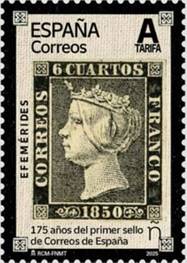
175th Anniversary of the First Stamp of Spain
 Inside #4828: Spain #1P
Thanks to Lou Guadagno
Martin Hirschbühl sent the google-translate
of the remarks to this stamp, found on the site of Correos Espana:
HISTORY
January
1 of this year will mark a significant milestone in the history of the Spanish
postal system: the 175th anniversary of the circulation of the first postage
stamp will be celebrated. Strictly speaking, this is the first series of values
that made up the issue of January 1, 1850. In this way, Spain
joined the pioneer group of countries that adopted the pre-postage system for
sending correspondence.
On August 17, 1843, the provisional government
of Espartero stressed the need to modernize the Spanish postal system,
following the European example of pre-postage. The order called for improved
communications, simplified postage and easier access to the public. Under the
direction of Javier de Quinto, rates were unified by several royal decrees in
August 1845: one real for letters between towns in Spain and five cuartos for local correspondence, effective from September
1 of that year. Finally, the Royal Decree establishing pre-postage by stamps
was published on October 24, 1849, followed by a Royal Order of December 1 of
the same year, which introduced certain modifications to the previous one and
was set as follows:
6-quarters stamp for pre-postage for a single
letter weighing no more than half an ounce.
12-quarters stamp for double letters, those
weighing more than half an ounce up to one ounce.
5-real stamp for national postage and
certificate for a single letter.
6-real stamp for postage and certificate abroad
for a single letter.
10-real stamp for postage and certificate for a
national double letter.
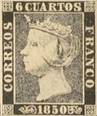
These adhesive stamps were designed by Bartolomé Corominas,
inspired by an 1847 medal by Joseph Arnold Pingret,
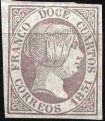
which featured the portrait of Isabel II. The six-quarter value showed the
queen looking to the left, while the others represented her facing right, and were
valid until December 31 of that year. The printing was done using the
lithography system at the National Stamp Factory. Another characteristic is
that they were not indented, an improvement that was incorporated in later
issues.
In reality, there were two different circulation
dates. On January 1st, the values of six quarters, five and six reales were issued; while in March, the values of
twelve quarters and ten reales were issued, which
have a different design on the frame of the values.
A curious fact about the sales of these effects
is that of the six-quarter value, 6,227,090 were sold; of 12 quarters, 51,959;
of 5 reales, 47,868; of 6 reales,
13,009 and of 10 reales, 8,446 units.
Over the 175 years since the issue of these
first stamps, an inevitable question arises: How many letters with these
stamps, circulated on the first day, have survived to this day? The answer,
unfortunately, is not encouraging: none of the high values, and only five of
the six-quarters, one of them with the seal broken.
One of these letters that are preserved from the
first day of circulation is the one sent by a sender from Fraga
to a merchant from Barbastro in Huesca.
In it, the stamp was cancelled with the type of date stamp known as "Baeza", in red, which also appears reproduced on the
front of the letter.
A true Aragonese
rarity!
Academician D. Jesús
Sitjà
Royal Hispanic Academy of Philately and Postal
History
Scott: #????O
Issued: 25.09.2025
Spanish Philately
Inside #????: Pseudo Stamps
Best websites related:

https://filatelia.correos.es/es/es/rincon-correos/filatelia
CLASSIC STAMPS AND POSTMARKS ON STAMPS OF SPAIN by William E. Critzer
http://www.stampsonstamps.org/csaposos.htm

Wish List
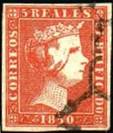
Spain #1b + for Philippines,
Guayna
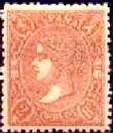
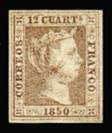
Spain #2 + for Cuba
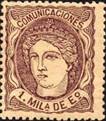
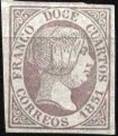
Spain #3 + for Cuba
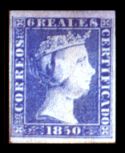
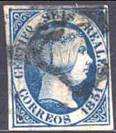
Spain #4 + for Cuba
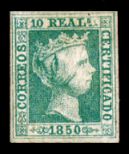
Spain #5 +
for Equatorial Guinea + for Cuba
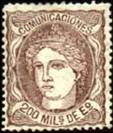
Spain #7
![Collector profile picture : Miguel Garcia [Miguel-53]](Spain_image614.jpg)
Spain #8
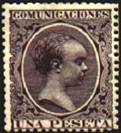
Spain #10 + for Lesotho + Argentina, Guinea bissau
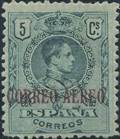
Spain #11
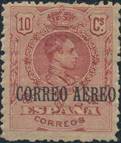
Spain Type A5 (pic of #17)
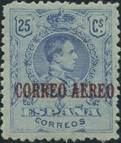
Scott: #S2
Issued: 0.0.1881
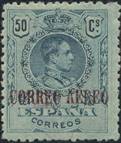
Spain #23
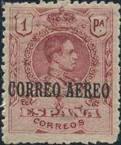
Spain #28
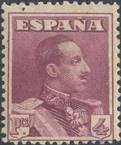
Spain #37 for Comoro Is.
Spain #51
Spain #77
Spain #78
Spain #80
Spain #159
Spain #168
Spain #240
Spain #268
Spain #299 for Argentina
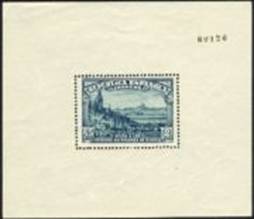
Spain #C1-5
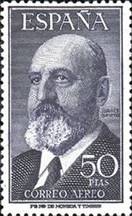
Spain #343
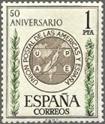
Spain #345 + Ecuador
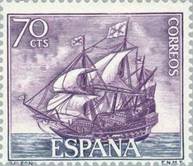
Spain #C37 for Cuba
Spain #C38 for Cuba
![[Columbus and the Discovery of America, type DD1]](Spain_image640.jpg)
Spain #C42 for Cuba
Spain #427 for Cuba
Spain #432 for Cuba
Spain #C56 for Grenada Grenadines
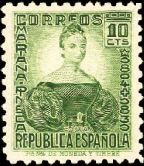
Spain #546
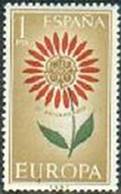
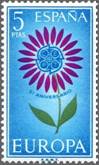
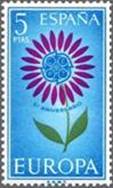
Scott: #572-3
Scott: #C88-9
Issued: 2.4.1936
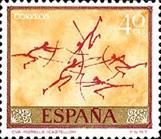
Spain #649 for San Marino, Italy, Malta
Scott: #778-9
Scott: #C129-30
Issued: 12.10.1950
![[Airmail - International Philatelic Congress - Jai Alai, type ATW]](Spain_image648.jpg)
Spain #C163 for Spanish Sahara
Spain #998
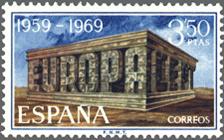
Spain #B106 for Paraguay
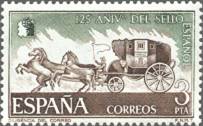
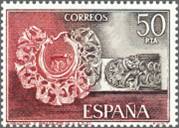
Spain #1139 for Paraguay
Spain #1200 for Saint Thomas &
Prince
Spain #1250 for Paraguay
Spain #1252 for Paraguay
Spain #1261 for Paraguay
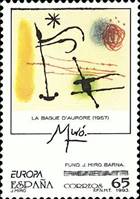
Spain #1262 for Samoa + Solomon Islands, Samoa
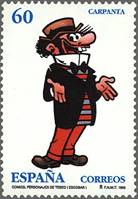
Spain #1263 for Uruguay, Cuba
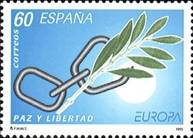
Spain #1449
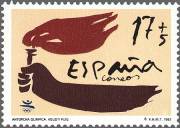
Spain #1567 for Samoa, Solomon Islands, Peru
Scott: #1803
Issued: 4.4.1974
Scott: #1866
Issued: 21.4.1975
Spain #1877d
Spain #2169 for Venezuela
Spain #2471
Scott: #B194
Issued: 31.3.1992
Scott: #2671
Scott: #2671a
Scott: #2671b
Issued: 24.4.1992
Spain #B197 for Kyrgyzstan

Scott: #2954
Issued: 18.9.1998
Scott: #????
Issued: 11.12.1998
Scott: #3016
Issued: 13.10.1999
Scott: #3022a-l
Issued: 3.1.2000
Scott: #3119
Issued: 9.10.2001
Spain #3677d
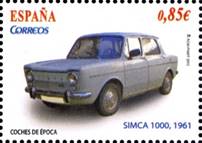
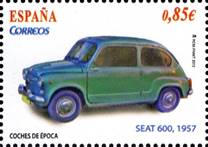
Scott: #3754
Issued: 18.10.2010
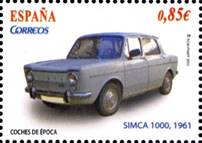
Spain #3794a
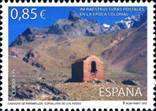
Spain #3794b

Spain #3794c
Spain #3852
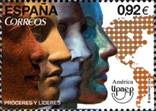
Spain #3853d
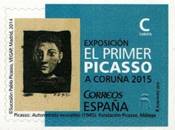
Spain #3853d
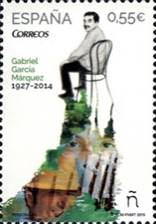
Spain #3877
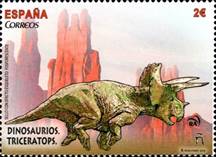
Spain #3881
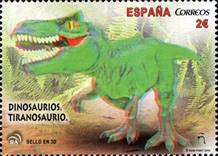
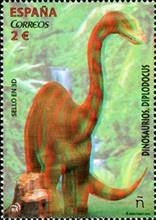
Scott: #3956h
Issued: 03.02.2014
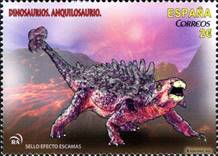
Spain #3977a
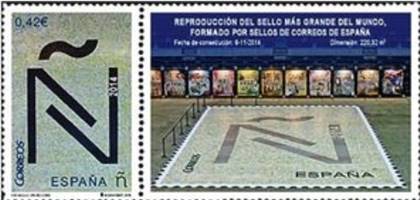
Spain #3984
Spain #4001
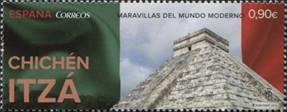
Spain #4015
Spain #4026
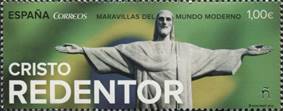
Scott: #4026a
Spain #4040
Issued: 03.02.2015
Spain #4045

Spain #4046
Scott: #4051
Issued: 19.05.2015
Scott: #4064
Issued: 08.09.2015

Spain #4067
Spain #4071
Spain #4072
Spain #4078

Scott: #4102
Issued: 17.02.2016

Spain #4119
Scott: #4121
Issued: 21.04.2016
Spain #4137

Spain #4207
Spain #4208

Spain #4217
Spain #4264

Scott: #????
Issued: 29.04.2018
Scott: #4352
Issued: 29.03.2019

Scott: #????
Issued: 29.07.2019
Scott: #4642
Scott: #4645
Scott: #????
(2023)
Scott: #4828 (2025)

Scott: #???? (2025)
**********************************************************************
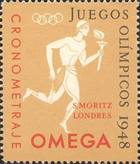
Olympic

Omega watch official
Olympic timer-- Spanish label 1948 for Guinea Bissau
Charity Stamp

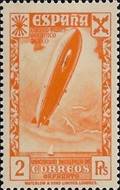
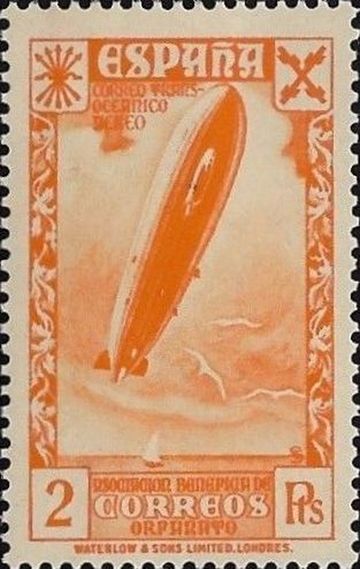
Spain Charity
Stamp of 10/12/38 for Paraguay
Spain-Barcelona
stamps
|
|
|
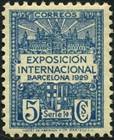
Mi #1(1929) |

Mi
#??